The demand is there 24/7.
Your SDRs can't be.
This report uncovers where pipeline is actually lost, between intent and response, and what high-performing teams do differently. From speed-to-lead to follow-up coverage, it reveals how small delays turn into missed opportunities at scale.
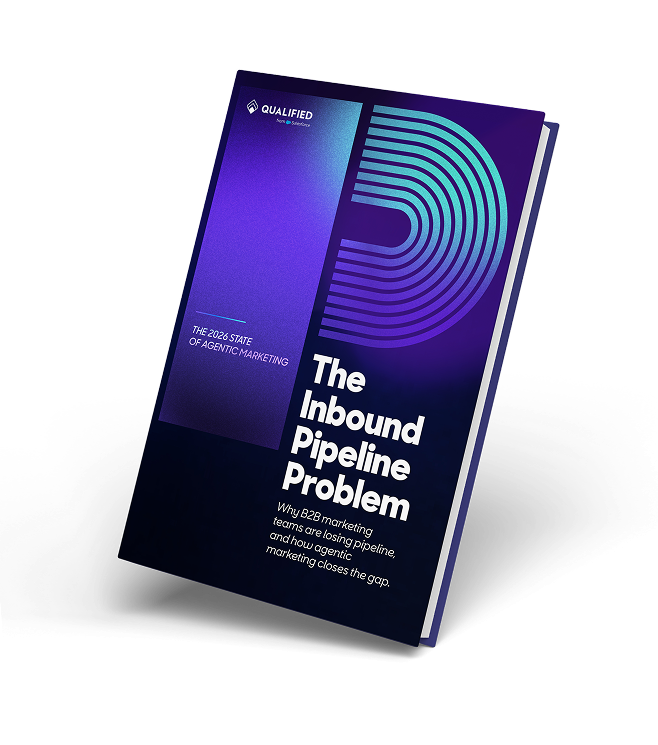
This report is based on a survey of 514 B2B marketing and revenue leaders conducted in early 2026. Participants include both executive leaders and hands-on practitioners responsible for demand generation, marketing operations, and pipeline performance.
The goal of this research is to uncover how inbound engagement actually works in practice, where response breaks down, how it impacts pipeline, and how AI is shaping the next phase of buyer engagement. The findings highlight key differences between teams relying on manual workflows and those adopting more advanced, autonomous approaches.
Buyers are showing intent every day, but the window to convert that intent is smaller than most teams realize. When buyers raise their hand, speed decides what happens next.
When a buyer requests information, they’re ready to engage, but most teams don’t meet them in that moment. They follow up later.
As teams scale, so does complexity. More leads. More routing. More handoffs. What should be immediate turns into a queue.
It’s not just slow follow-up. Some inbound leads never hear back at all. Demand is generated, but not captured.



.svg)


