GTM Playbooks for Agentic Marketing Teams
Play video button
Glow play video button

GTM Playbooks for Agentic Marketing Teams

Explore how leading marketers are evolving go-to-market strategies and pipeline generation with agentic AI. Learn actionable frameworks for driving buyer engagement, personalizing journeys, and scaling impact, plus what’s next for high-performance teams in the agentic marketing era.

Maura Rivera
Maura Rivera
No items found.
Apple Podcast LinkGoogle Podcast LinkSpotify Podcast Link

TRANSCRIPT

Maura Rivera
Sydney, welcome to the agentic marketing summit. Thank you so much for joining us today.

Sydney Sloan
Yeah, it'll be fun. We're going to have some great conversation.

Maura Rivera
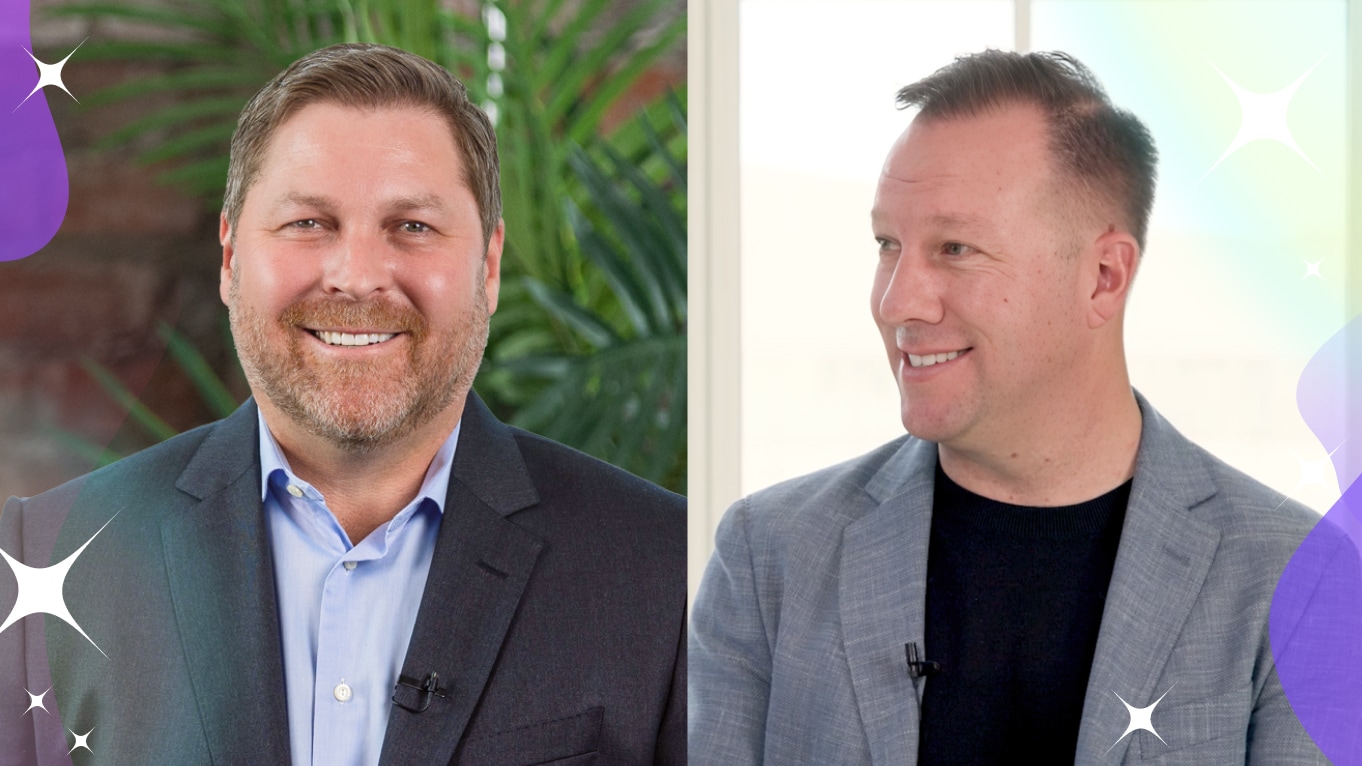
Today, we're going to dive deep into all of the playbooks that are evolving from a go-to-market kind of perspective now that agents have arrived. But for the audience, you want to start just by introducing yourself. You're a super seasoned CMO who's been at all of these companies. You're currently at G2, but tell us a little bit about yourself before we kind of dive in.

Sydney Sloan
Yeah, I think, well, I'm back home is what I say, like with my people at G2 talking to other marketers about go-to-market strategy. I did that at four years at SalesLoft and it's kind of like bridging that. I did take a little detour and was at, in the security space at Dorada. And then I say I grew up at Adobe a couple of decades there. So I just love marketing. I love like strategy and we are in a crazy market shift right now where we get to do it again, gotta start from scratch. So here we go.

Maura Rivera
Yeah, here we go. know we're in this new kind of major transformation, one of the biggest transformations we've seen as marketers over the last few decades. So tell me a little bit about kind of the go-to-market playbook at G2. How is it changing now with the advent of agentic AI? What's shifting? What are you seeing? You also talk to all of these customers all the time. So what's transforming?

Sydney Sloan
Yeah, maybe we start there. Like with agentic AI, as you know, like we also help like define and create categories. And we just launched the AI agent builder category along with some research that we did. you know, there was a misnomer with the MIT study saying that people weren't satisfied. And we're like, I don't know if that's true. think actually that's not what we were seeing. So we did a specific report on that. It kind of debunked the myth in that

57% of companies already have agents in production today. And 40 % of our respondents, there was over 1,000 people responded, are spending over a million dollars. So it's happening now, and they are satisfied. So 80 % are satisfied. People are happier and working with the agents. I just, you know, I think that scare, the MIT report was just maybe a little bit misleading. And that's not actually the reality that we see.

Maura Rivera
Wow.

Sydney Sloan
In terms of playbooks, I think it's a good question because what I've been saying as we've been out on our road shows together is I think it's too early to say the playbook is here. I think even though people are adopting, we're still in that test case of like, what's gonna stick, what's not. And so that kind of test ground and playground, if you wanna call it that, before it's the playbook is, you know, I think we're going to still see that over this next couple of quarters as people figure out their strategy. Yeah.

Maura Rivera
Yeah, in the MIT study that you're referencing, it's the 95 % of people are saying that AI implementations are failing. And you're saying that's not the truth. We're just kind of learning as we go. Yeah. OK.

Sydney Sloan
No, it's not the truth. That's not what we found when we did our study. we made sure to dot our I's and cross our T's on the study, because we had a feeling we might be debunking it. So I'm happy to drop the link to the report in the chat so people can read it, because it's super insightful. And it changes by industry in terms of the use cases. It changes by company size and the way that people are valuing.

They're still always human in the loop. That's where we're at today. But by 2030, we're predicting that there will be standalone agent orchestrations.

Maura Rivera
That's awesome. And I think one thing that you guys, part of your study was you also talked about the adoption that's happening for marketers specifically. Marketers are usually at the forefront of this adoption. And also that adoption isn't just happening with small businesses. It's also happening at the enterprise level. So what are you seeing for marketers specifically as kind of these new categories emerge? Are you seeing that they're bullish on this adoption as we kind of have this audience of marketers with us today?

Sydney Sloan
Yeah, think, well, first of all, the path that people take is like, first get your teams comfortable with just the idea of prompting. How do we all become kind of AI forward marketers and understanding how to use it for our personal use cases. And that creates trust when you get that constant interaction and response.

and then get comfortable with kind of looking back at your processes and your workflows and designing in like, where do agents fit? And I do think this is kind of a re orchestration and, and, really, you know, if you could start fresh because the AI first companies are starting fresh. So it's actually harder for those of us that have already built all our workflows and codified our systems to be able to go and make that change. And so if you're really bold just turn one off and turn one on and kind of start fresh, because that's what everybody else is doing. Or as I like to say, remodel one room at a time. So maybe pick a segment of your business. Like we're picking SMB and we're going fully agentic on self-service. But then we're still introducing agentic use cases in places that it makes sense. So some of the things that we're doing specifically at G2 are looking at like.

How do we align our content offers to where the customer is in the funnel and presenting that to them versus having them have to search for content on our website using Qualified? And just to say that, how do we make sure that we're engaging our target accounts in a different way than we might engage non-target accounts? And so capturing that context, putting them directly in contact with the human, I think speed matters, right? Like really when you're designing these systems,

context is gonna matter more than ever before, and speed is going to matter more than ever before. And so the agent is always on, it doesn't sleep. And so the ability for it to answer questions, to book meetings, those steps, like I told you, I was at sales off before, an inbound lead took 15 steps to book, which is same as an outbound sequence that might be run.

Maura Rivera
Mm-hmm.

Sydney Sloan
And now we don't have to do that, right? Like we can take those customers that are interested and get them in front of a human and make sure the human has the context to start the conversation off at the right point. So we can bring the entire customer history. can do research on the account. can make suggestions as to what questions the SDR or the AE should ask based on the context of what we've captured from that.

Not only the visitor, the customer, that person, but also the account and history that it might've had with our company. Have they been customers before? Did they churn? they gone through sales processes, but just not pulled the trigger? All of that is context and you can feed that into the conversation. so those are just some of the use cases and just kind of like high level. How do you get the prospect through the funnel as fast as possible and talking to human and augmenting with agents to give that level of service that allows it to happen faster?

Maura Rivera
But I think you nailed such a good point, which is focus on the use cases. think a lot of times marketers, we felt this pressure, I think in 2024, like buy all the AI tech you can buy, buy the fancy stuff that's going to make you look great in the boardroom. But now we're at this point where we have a lot of shelf wear that's sitting there and it's not actually fixing things, or we just try and replace a traditional workflow with AI and expect it all to get better. So we've been talking a lot about like the right use cases to start with, the crawl walk run to get comfortable.

And also like looking at the points of your buyer journey where there are friction and then saying, okay, how can I use an agent to alleviate some of that friction, both for the marketing team, but also for the buyer. Cause buyers are used to instant gratification now. I'm curious, as you guys think about measurement of agents, how do you know or advise your customers to know like that they're being impactful to your business or when do you decide to kind of cut bait with something that maybe you invested in that's not paying off?

Sydney Sloan
Yeah. So there's like three questions in there and maybe we'll unpack them. because it's important. yes, we're testing multiple agentic approaches as many people are. That's why I said, I think that we're still in this playground. And so there are agents that are built into platforms. There are standalone agent builders, which are low code kind of ways to connect multiple systems. and then there's the you know, the LLMs, like all of them have a role and a place. And I think we're all just trying to figure that out. And so currently what we're doing at G2 is testing, which we're great at, right? Like we're marketers, we're A-B test, let's test, you know, does this email agent perform better than the qualified agent? How do we look at open rates? How do we look at like response rates and like the kinds of emails that we're sending?

It literally was the last meeting that I was in before this conversation. It's like, think that we really need to make some trade-off decisions against all our email platforms. We don't need five, right? Like we actually have more than that, but just on seller side, have, by the time you have like the Marketos and the ABM platforms and now, know, new agents that are living on our website.

Maura Rivera
OK, great. I hope the test goes well.

Sydney Sloan
And then the sales engagement platforms, like that's five different systems that is conversing to one person or one buyer. It's too many. And so I do think, you know, we're going to have to pick and build more of the connective tissue and not rely just on the CRM of record to like do all the parsing. I think we can do a better job. And so there's the question of who owns it. So that was kind of the second question in there.

Maura Rivera
Mm-hmm.

Sydney Sloan
yes, there's this role, the emerging role of the go-to-market engineer. We're all watching this. Like we've got one on our website that we're looking to hire. My perspective here is like before I was here before there was SAS and before the internet for that matter, like I've been around a while. but before there was SAS, like IT was the one that was building applications. And, and so, you know, they would look at the workflows and they build those workflows. And then they started to like.

sit inside the department so they had context for what marketing needed versus what, let's say, HR team needed. And so we started having our own IT teams. And this is kind of a shift back. And our study shows this too, is that for AI platforms, that IT is going to come in and have a stronger role. And so that makes me think, okay, there is the AI engineer, I get it.


But I think you need to be thinking at one more level higher than that for the go-to-market teams if they want to maintain control of our processes and our systems and our people. I think the people process technology is now process technology people as we redesign. And there's a role of an AI architect that needs to be in place that looks at cross systems and governance and like we're going to have to pick a couple of platforms to bet on and not have a plethora of agents like running amok, which is okay today. It's like, try it, you know, but we're going to have to create some control within the, or the, the agent chaos that's, that's going on right now. And so I think that's, that is a really strategic role that's going to emerge if it hasn't yet in certain companies. And then you have your engineers and the engineers are, are like, experts in their function or experts on the persona. so imagine an engineer probably would have been called a campaign manager before, right? That is responsible for a segment or persona that's designing the experience, which includes the orchestration of the workflows and the agents to deliver the best possible experience for that segment. By them having the context and the knowledge, they can manage the agents better. If you didn't have the context or the knowledge, you kind of be making it up.

And so maybe that's a step ahead of where we're currently at today, but that's kind of where I see things going. And so yeah, that was a long answer. Sorry. That was like, yeah.

Maura Rivera
Yeah, no, but it's so interesting because we're all at this time right now where we're kind of reevaluating our MarTech stacks and being like, it's not just bolting on new agent tech solutions. It's kind of when you talked about all of the email providers earlier, it's looking at like, what's impactful? How do we bring in new tech? And then how do we maybe say goodbye to some old tech that served us well for a decade or two, but it's a little less relevant in this new time.

And then the emergence of this, these new roles is very, very interesting to me. Like we talked to a lot of customers and they say like, okay, I love the vision. I love the promise. Like I want to, I want to bring these agents onto my team. want to do agentic marketing, but where do I get started? And if you don't have that, that kind of AI architect, as you said, like for us, it's our head of rev ops. And he's thinking about the agents we're all bringing on in the agent orchestration. And how do we make sure we're deploying them thoughtfully and they're all talking to each other and it's all tied to the right data foundation.

Without this lead for us, I feel like it would be agent mania and then we would wake up six months from now and it wouldn't be successful. So it's an exciting time. And also just for like young people in their careers, if they can build up that career set and be really deep in the agent tech workflows, that's a huge, huge plus for them. I want to talk about like frameworks and processes. Are there any actionable frameworks or processes that your team's using to really drive buyer engagement? Like, how are you thinking about making sure.

that the buyers are having the optimal experience when they interact with your agents.

Sydney Sloan
So I think we're still in this process of human in the loop. the speed at which we can get a human to talk to a human is the differentiator. And like I said, we're testing, right? We have our existing processes that are in place. And then as we introduce new ones, like, does it go faster? Are we converting higher? Were the conversion rates improving or breaking down in the same way that we would have managed that prior and then like picking the winner from within that. So that's what our next quarter is going to be is really testing through those processes and kind of process number one looks like this, existing process looks like this. Maybe we'll tweak another one to find what that right process is for certain parts of the customer experience. And I think we'll just go as, know, like section by section, like how do we get to the meeting? And then once we're, you know, and there's so many aspects to that.

You know, to get to the meeting, you know, then it's how do you expand contacts inside the buying committee and who's responsible for that? and we could talk a little bit. We're actually going to talk about it at our EAB, which you'll be at, this week, around like, what does the new marketing org structure look like? have like a radical idea on that. but, but I think, yeah, but I think right now, like it's that last step. We're not quite there with the trust gap, that only 34% of the research that we did, 34% of the participants had enough confidence in AI agents to like just let it rip, we said. So a third, which is a lot given the timing race we're on right now, but it's like that risk and reward. They're willing to take a little bit more risk, like maybe the email isn't perfect, but have you seen the emails that come out of some of your current NPRs? Like, yeah, okay, like it might not be you know, like put them side by side and then do it at scale. I think that's a risk worth taking.

Maura Rivera
Yeah, that's what's interesting when I talk with our customers, because there's that fear as marketers brand is paramount. You don't want to disrupt that trust. You want to make sure that everybody has that flawless experience with your, with your brand. But also you look at sometimes the errors that humans can make or expecting your humans to be all knowing about all of your product lines or expecting them to speak every language that a buyer could be in. And those are some really strong use cases for deploying agents, but you have to get comfortable with it. So the crawl, walk, run is critical.

Sydney Sloan
There was, I was on a panel with the CMO of Deloitte during inbound and that was her number one use case. Imagine they've got hundreds of thousands of employees. They're highly regulated. And she's like, the biggest impact we've seen from agents so far is the agent reviews the email before it gets sent from a human. Maybe not like right, but she's like, so we know it meets our, our, our brand voice and tone criteria. We know it's not, offending any of the regulatory requirements we have. It's like that final check. So it's actually the agent in the loop in that matter. Yeah, but they're like the risk reduction in their communication across hundreds of thousands of people was greatly reduced because they introduced the, I don't know what they called. I can't remember the name that she called it, but it like, it seems like a pretty simple use case, but then you times it by a couple hundred thousand and it's like a big deal.

Maura Rivera
And for a global company to be able to scale that, think about the time savings that they have. That's really interesting. It is a little bit of a flip of the human in the loop, the agent in the loop. So you got, mean, you've kind of touched on some of your use cases earlier, but tell me about like some practical ways, especially as we think about 2026 and we're kind of planning for next year, like that you've really scaled marketing impact using autonomous agents to help. expand your funnel. What have you seen? What have you guys used? Anything that's exciting to you.

Sydney Sloan
Yes, I mean, I still believe we're at the beginning of our journey and there's a couple areas that we want to continue to test. One of the things that's unique about G2 is we have the buyer side and the seller side. So when you think about agentic use cases, we're also communicating with those millions of reviewers that are like leaving reviews and coming back and can be corresponding to customers on behalf of our customers. So we have a pretty sophisticated email strategy when it comes to buyers and just the more insights we can gather about buyers so we have more context so our outreach at scale can be more personalized. So that's how we're thinking about it on the buyer side currently. And we're also looking at how do we ensure that we've got the most up-to-date information and how do we keep our buyer data set clean, which can be challenging with having people change roles and all that kind of stuff. So that's a big deal on that side. On the seller side, we're looking at like, multi-channel communications and how do we meet the buyer, where they are and have the agent conversation be related to them. So I mentioned a little bit earlier, like if you're a target account, you might get one experience. If you're a non-target account, you might get another one.

One of the cool use cases that we've just implemented is for our startup audience. We're trying to make that completely automated. So once you get into like setting up, then there's an agent, a synthetic agent there that's like guiding them all the way through where before they would have had to call and talk to somebody and it's working very well. And so that's, that's a good one. And then I think, you know, there's this, it's an oldie, but a goodie.

You could call it a wake the dead. that's what we used to call it, right? It's just like, no matter how hard we try, you know, like we're trying to get the meeting booked like upfront. And then there's some people that don't book the meeting. So you've got that group and then you have another group that have met their MQA criteria, but the sales rep might just throw them into their own sequence and then they just time out. And so you've got this pool of like, high quality, they have already raised their hands and we just didn't do a good enough job connecting to them. And so how do you re-engage with them? Like that's a goldmine that I just don't understand why people isn't always on strategy. Yeah, I used to give them to the reps and say, you know, the clothes lost is the best nurture that a rep can possibly have because they can stay in contact, keep giving them good insights and information and they will come back.

If the timing wasn't right or if they picked a competitor, you can still love on them. And when the time comes, like you just never know. But that's one of my favorites.

Maura Rivera
I think you nailed, we just launched something. So you kind of teed me up called agentic nurture, which is using an agent to constantly nurture those folks. mean, smaller companies, they have like tens of thousands of people just sitting in their leads database. I used to work at Salesforce a long time ago. had millions and millions. called it the heart of marketing who are just sitting there. And you're like, at one point they were interested in your brand. At one point they downloaded an ebook. They attended an event, whatever it may be. Can you use an agent to just keep them warm, but also look for signals. So if they're starting to show research intent or they're starting to heat up or become an MQA, as you said, then like reach out to those people at the right time. That's not just a sales rep has extra time in their day, but the agent knows that they're starting to show intent. we use our agent for event followup. And when we have like a slow event season, we send the agent after old event leads to try and keep that events pipeline high, even if it's like summer and there's a dip in sponsored events.

Sydney Sloan
Yeah.

Maura Rivera
And the impact from that has been massive because like our events pipeline is higher than ever before, but we're doing the same amount of events as last year. So having an agent kind of like work that we call it like the compost bin and just kind of like go through them. think it's really interesting. I would love to talk to you a little bit more Sydney, you mentioned, you kind of teased how you're thinking about your marketing team and how just the structure of teams are evolving in the age of agentic marketing.

Sydney Sloan
I love that.

Maura Rivera
How do you kind of shift your team's mindset to embrace agents? What are you seeing and how are you thinking about kind of the org charts for CMOs as we look to 2026?

Sydney Sloan
Yeah, I think this was pretty much the year. mean, there were some early adopters that did it last year, but I think this was the year for us to get our teams comfortable with engaging, like finding their LLM of choice. We started with Gemini because that's what we had, but a lot of us have flipped over to chat GPT. It's actually 3X. We asked this question in our survey. So chat GPT is 3X Gemini and Co-Pilot. That's two and three in terms of the preferred LLM that people use for work and and so, you know, getting them comfortable. I've heard a lot of people like just start hackathons with your marketing team and like, just get them in and working together. Attacking challenges and problems. We used it to, like we have five different websites, right? And, and I couldn't get sign off on a half a million dollar. Yeah.

Maura Rivera
Yeah, you have a complex business.

Sydney Sloan
And I was like, I need a half million dollars to redo the website. And I couldn't get it. And it was like, oh, now I just, you we did this really deep prompting session, where, took all our websites, redesigned an information architect, told us who like, our primary users would be, what would be the ideal web flows for those people. I mean, it was just like, and then we added all our systems and it gave us recommendations of how we could like connect our systems. It was insane.

And so, you know, I really think challenging like our approach, my radical idea. So you're going to get the preview before you're before, you know, it's like, well, so what we're seeing is like those that happen. And then now I see org charts that look like the original marketing org charts. And then everybody has their task agents. Like you've added your agents to your org charts.

Maura Rivera
I'm on the edge of my seat.

Sydney Sloan
My radical idea is to like, you know, follow the success, the teams that have been most successful with agents so far started with developers, right? They have really embraced all these agentic applications and code development platforms and, and, and they work in sprints. And so I, I think that we should be really thinking in a radical way of like, how do we organize our team for outcomes?

And so that is the idea of the prompt is like, well, what is the outcome? And so if the outcome that we're looking for, the most important first outcome is like brand awareness and engagement, like organize a pod around that. And so what would be the measures, right? Which is influence and signals, and then connecting those signals to agents and connecting that whole dot. Usually it's like brands over here and then demands here, like merge them.

And so you have these different skills where you have content people, thought leadership, your influencers internally and externally, and that whole design of the outcome is to get the meeting booked. And then the second team is really about engagement. And it's the entire customer lifecycle. So they're focused on how do we connect with all the buyers in the personas? So they're experts in

account research, they're experts in persona-based content. They educate customers all the way through the buying process and in through the life cycle. It shouldn't have a handoff. Like I've been on this soapbox for a while, right? You shouldn't have a handoff between close one and go live. PLG doesn't have it, right? And so like, how do you make that seamless for the customer to have one single experience?

and for the entire buying committee to be treated as a team. And so I think there's a lot of agent work in there. I think there's a lot of programs, personalized programs that you can put in there. And we can have as good of or better than customer experience post sales as you do pre-sales. That's a challenge. Then you'll get, right? And then the last one is product love. I'm calling.

Maura Rivera
Mm-hmm.That's really interesting. Yeah.

Sydney Sloan
And this team is focused on adoption, usage and value. And it's in partnership with the product team. It could be part of the product team. Again, we're pulling these pods together. so how do you launch products? How do you message? How do you think about in product experience in a way that, you know, make sure they're adopting and using the product in the way that it's designed and providing feedback. And their metric is whatever the active use, if it's daily active, monthly, weekly active, monthly active, looking at that, and then looking at product adoption in multi-product ways. you know, how do I go from a customer that uses one product to two to three, because those renew at a higher rate. so that's how I'm thinking about it. Like, number one is like, you know, I said, the brand and engagement team is looking at the brand metrics and signals and meetings, like how many signals can they create and how many meetings can get booked. The second one is looking at engagement and the depth of engagement by account across the entire customer lifecycle. And the third one is looking at product usage, adoption, and overall sentiment, think, account sentiment. That's my radical idea.

Maura Rivera
Well, it's really interesting. I think it's radical, but I think it's interesting because we've built these marketing teams that are very intentionally siloed. Like you have your swim lane, you know what you're responsible for. And it's not about like putting that, yeah, you have your skills zone, but a lot of times there are hurdles with that. You're trying to communicate between teams. You're trying to project manage program manage. So suggesting that you kind of re-architect the team, think about business outcomes, but also buyer experience and the buyer journey, and then building kind of a cohort.

Sydney Sloan
Yeah. Dev teams, have it. They have people who write code. They've got experienced, you know, they have a designer, they probably a QA lead. They have a product manager who's like writing the specs. Like it's a cross-functional team working together to build something. And like, why can't we do that? Yeah.

Maura Rivera
Yeah. And you have daily standups where you're, yeah. Yeah. I was just going to say like daily standups where you're like status update and you keep, keep cranking. It's, it's a fast moving organization. Well, I speed if, because if you don't do it today, if you don't innovate, you're left behind. I think like sitting my last kind of quick question for you as we wrap up is like, what's your advice to marketers who are looking to embrace this agentic marketing transformation? Any skills they need to have, what would you say as they think about next year and how they can thrive in this agentic marketing era?

Sydney Sloan
I mean, just embrace it. If you haven't yet, don't hit yourself. You know, just to start, it's, it's, every day you wait is like a minus 10. You know, you'd like to just, if you haven't done it yet, book your first hackathon, right? If you haven't built your first workflow, build it, build it on the weekend. If you have to, it is, this is happening. This is not, this is not, not going to happen. I don't think, I know a lot of people are like fearing for their jobs and then they say, you know, that's not, it's like,

And it's not. And in our study, it showed that people that are already adopting and using are actually more satisfied because they're able to get more real, meaningful work done. the task remedial aspects of our day-to-day can be given to an agent. And we can have fun with this. is like, you know, I would remember when we didn't even have a smartphone, like how's that changed our lives? We were in a life changing moment right now. And

Embrace it and it's gonna be fun. Don't be scared. It's fun. Go in. Yeah, dive in.

Maura Rivera
Love it. Dive in first. Well, Sydney, thank you so much for joining us at the agentic marketing summit. are such a wealth of knowledge. You're such a seasoned CMO and it's invigorating hearing kind of your perspective on it. Cause you guys are at the forefront of change and talking to these customers. so thanks again for joining us and I'm sure we will talk soon.

Sydney Sloan
See you soon.

Related content

Welcome to the Agentic Marketing EraWelcome to the Agentic Marketing Era

Welcome to the Agentic Marketing Era

With the rise of agentic AI, marketing will never be the same. Explore what the agentic marketing era means for marketing teams and how embracing AI-powered agents will fundamentally reshape your brand, GTM strategies, and customer engagement for the decade ahead.

Transforming Every Corner of Marketing with AgentsTransforming Every Corner of Marketing with Agents

Transforming Every Corner of Marketing with Agents

Discover how specialized AI agents are optimizing every function in marketing from campaign management and content creation to analytics, customer engagement, ops, and beyond.

Decoding Agentic Marketing: The Language of Tomorrow’s LeadersDecoding Agentic Marketing: The Language of Tomorrow’s Leaders

Decoding Agentic Marketing: The Language of Tomorrow’s Leaders

Elevate your expertise by unpacking the critical concepts, distinctions, and frameworks shaping agentic marketing. This session will empower you to speak with authority on the evolving landscape—from co-pilots to autonomous agents—and command the conversations that define next-generation marketing leadership.

Stay up to date with weekly drops of fresh B2B marketing and sales content.

By registering, you agree that Qualified may process your personal data for events and marketing as set forth in our Privacy Policy
Thank you for subscribing. You’ll start receiving updates for Qualified+ shortly.
Oops! Something went wrong while submitting the form.

GTM Playbooks for Agentic Marketing Teams

Explore how leading marketers are evolving go-to-market strategies and pipeline generation with agentic AI. Learn actionable frameworks for driving buyer engagement, personalizing journeys, and scaling impact, plus what’s next for high-performance teams in the agentic marketing era.

Maura Rivera
Maura Rivera
No items found.
GTM Playbooks for Agentic Marketing Teams
Apple Podcast LinkGoogle Podcast LinkSpotify Podcast Link

TRANSCRIPT

Maura Rivera
Sydney, welcome to the agentic marketing summit. Thank you so much for joining us today.

Sydney Sloan
Yeah, it'll be fun. We're going to have some great conversation.

Maura Rivera
Today, we're going to dive deep into all of the playbooks that are evolving from a go-to-market kind of perspective now that agents have arrived. But for the audience, you want to start just by introducing yourself. You're a super seasoned CMO who's been at all of these companies. You're currently at G2, but tell us a little bit about yourself before we kind of dive in.

Sydney Sloan
Yeah, I think, well, I'm back home is what I say, like with my people at G2 talking to other marketers about go-to-market strategy. I did that at four years at SalesLoft and it's kind of like bridging that. I did take a little detour and was at, in the security space at Dorada. And then I say I grew up at Adobe a couple of decades there. So I just love marketing. I love like strategy and we are in a crazy market shift right now where we get to do it again, gotta start from scratch. So here we go.

Maura Rivera
Yeah, here we go. know we're in this new kind of major transformation, one of the biggest transformations we've seen as marketers over the last few decades. So tell me a little bit about kind of the go-to-market playbook at G2. How is it changing now with the advent of agentic AI? What's shifting? What are you seeing? You also talk to all of these customers all the time. So what's transforming?

Sydney Sloan
Yeah, maybe we start there. Like with agentic AI, as you know, like we also help like define and create categories. And we just launched the AI agent builder category along with some research that we did. you know, there was a misnomer with the MIT study saying that people weren't satisfied. And we're like, I don't know if that's true. think actually that's not what we were seeing. So we did a specific report on that. It kind of debunked the myth in that

57% of companies already have agents in production today. And 40 % of our respondents, there was over 1,000 people responded, are spending over a million dollars. So it's happening now, and they are satisfied. So 80 % are satisfied. People are happier and working with the agents. I just, you know, I think that scare, the MIT report was just maybe a little bit misleading. And that's not actually the reality that we see.

Maura Rivera
Wow.

Sydney Sloan
In terms of playbooks, I think it's a good question because what I've been saying as we've been out on our road shows together is I think it's too early to say the playbook is here. I think even though people are adopting, we're still in that test case of like, what's gonna stick, what's not. And so that kind of test ground and playground, if you wanna call it that, before it's the playbook is, you know, I think we're going to still see that over this next couple of quarters as people figure out their strategy. Yeah.

Maura Rivera
Yeah, in the MIT study that you're referencing, it's the 95 % of people are saying that AI implementations are failing. And you're saying that's not the truth. We're just kind of learning as we go. Yeah. OK.

Sydney Sloan
No, it's not the truth. That's not what we found when we did our study. we made sure to dot our I's and cross our T's on the study, because we had a feeling we might be debunking it. So I'm happy to drop the link to the report in the chat so people can read it, because it's super insightful. And it changes by industry in terms of the use cases. It changes by company size and the way that people are valuing.

They're still always human in the loop. That's where we're at today. But by 2030, we're predicting that there will be standalone agent orchestrations.

Maura Rivera
That's awesome. And I think one thing that you guys, part of your study was you also talked about the adoption that's happening for marketers specifically. Marketers are usually at the forefront of this adoption. And also that adoption isn't just happening with small businesses. It's also happening at the enterprise level. So what are you seeing for marketers specifically as kind of these new categories emerge? Are you seeing that they're bullish on this adoption as we kind of have this audience of marketers with us today?

Sydney Sloan
Yeah, think, well, first of all, the path that people take is like, first get your teams comfortable with just the idea of prompting. How do we all become kind of AI forward marketers and understanding how to use it for our personal use cases. And that creates trust when you get that constant interaction and response.

and then get comfortable with kind of looking back at your processes and your workflows and designing in like, where do agents fit? And I do think this is kind of a re orchestration and, and, really, you know, if you could start fresh because the AI first companies are starting fresh. So it's actually harder for those of us that have already built all our workflows and codified our systems to be able to go and make that change. And so if you're really bold just turn one off and turn one on and kind of start fresh, because that's what everybody else is doing. Or as I like to say, remodel one room at a time. So maybe pick a segment of your business. Like we're picking SMB and we're going fully agentic on self-service. But then we're still introducing agentic use cases in places that it makes sense. So some of the things that we're doing specifically at G2 are looking at like.

How do we align our content offers to where the customer is in the funnel and presenting that to them versus having them have to search for content on our website using Qualified? And just to say that, how do we make sure that we're engaging our target accounts in a different way than we might engage non-target accounts? And so capturing that context, putting them directly in contact with the human, I think speed matters, right? Like really when you're designing these systems,

context is gonna matter more than ever before, and speed is going to matter more than ever before. And so the agent is always on, it doesn't sleep. And so the ability for it to answer questions, to book meetings, those steps, like I told you, I was at sales off before, an inbound lead took 15 steps to book, which is same as an outbound sequence that might be run.

Maura Rivera
Mm-hmm.

Sydney Sloan
And now we don't have to do that, right? Like we can take those customers that are interested and get them in front of a human and make sure the human has the context to start the conversation off at the right point. So we can bring the entire customer history. can do research on the account. can make suggestions as to what questions the SDR or the AE should ask based on the context of what we've captured from that.

Not only the visitor, the customer, that person, but also the account and history that it might've had with our company. Have they been customers before? Did they churn? they gone through sales processes, but just not pulled the trigger? All of that is context and you can feed that into the conversation. so those are just some of the use cases and just kind of like high level. How do you get the prospect through the funnel as fast as possible and talking to human and augmenting with agents to give that level of service that allows it to happen faster?

Maura Rivera
But I think you nailed such a good point, which is focus on the use cases. think a lot of times marketers, we felt this pressure, I think in 2024, like buy all the AI tech you can buy, buy the fancy stuff that's going to make you look great in the boardroom. But now we're at this point where we have a lot of shelf wear that's sitting there and it's not actually fixing things, or we just try and replace a traditional workflow with AI and expect it all to get better. So we've been talking a lot about like the right use cases to start with, the crawl walk run to get comfortable.

And also like looking at the points of your buyer journey where there are friction and then saying, okay, how can I use an agent to alleviate some of that friction, both for the marketing team, but also for the buyer. Cause buyers are used to instant gratification now. I'm curious, as you guys think about measurement of agents, how do you know or advise your customers to know like that they're being impactful to your business or when do you decide to kind of cut bait with something that maybe you invested in that's not paying off?

Sydney Sloan
Yeah. So there's like three questions in there and maybe we'll unpack them. because it's important. yes, we're testing multiple agentic approaches as many people are. That's why I said, I think that we're still in this playground. And so there are agents that are built into platforms. There are standalone agent builders, which are low code kind of ways to connect multiple systems. and then there's the you know, the LLMs, like all of them have a role and a place. And I think we're all just trying to figure that out. And so currently what we're doing at G2 is testing, which we're great at, right? Like we're marketers, we're A-B test, let's test, you know, does this email agent perform better than the qualified agent? How do we look at open rates? How do we look at like response rates and like the kinds of emails that we're sending?

It literally was the last meeting that I was in before this conversation. It's like, think that we really need to make some trade-off decisions against all our email platforms. We don't need five, right? Like we actually have more than that, but just on seller side, have, by the time you have like the Marketos and the ABM platforms and now, know, new agents that are living on our website.

Maura Rivera
OK, great. I hope the test goes well.

Sydney Sloan
And then the sales engagement platforms, like that's five different systems that is conversing to one person or one buyer. It's too many. And so I do think, you know, we're going to have to pick and build more of the connective tissue and not rely just on the CRM of record to like do all the parsing. I think we can do a better job. And so there's the question of who owns it. So that was kind of the second question in there.

Maura Rivera
Mm-hmm.

Sydney Sloan
yes, there's this role, the emerging role of the go-to-market engineer. We're all watching this. Like we've got one on our website that we're looking to hire. My perspective here is like before I was here before there was SAS and before the internet for that matter, like I've been around a while. but before there was SAS, like IT was the one that was building applications. And, and so, you know, they would look at the workflows and they build those workflows. And then they started to like.

sit inside the department so they had context for what marketing needed versus what, let's say, HR team needed. And so we started having our own IT teams. And this is kind of a shift back. And our study shows this too, is that for AI platforms, that IT is going to come in and have a stronger role. And so that makes me think, okay, there is the AI engineer, I get it.


But I think you need to be thinking at one more level higher than that for the go-to-market teams if they want to maintain control of our processes and our systems and our people. I think the people process technology is now process technology people as we redesign. And there's a role of an AI architect that needs to be in place that looks at cross systems and governance and like we're going to have to pick a couple of platforms to bet on and not have a plethora of agents like running amok, which is okay today. It's like, try it, you know, but we're going to have to create some control within the, or the, the agent chaos that's, that's going on right now. And so I think that's, that is a really strategic role that's going to emerge if it hasn't yet in certain companies. And then you have your engineers and the engineers are, are like, experts in their function or experts on the persona. so imagine an engineer probably would have been called a campaign manager before, right? That is responsible for a segment or persona that's designing the experience, which includes the orchestration of the workflows and the agents to deliver the best possible experience for that segment. By them having the context and the knowledge, they can manage the agents better. If you didn't have the context or the knowledge, you kind of be making it up.

And so maybe that's a step ahead of where we're currently at today, but that's kind of where I see things going. And so yeah, that was a long answer. Sorry. That was like, yeah.

Maura Rivera
Yeah, no, but it's so interesting because we're all at this time right now where we're kind of reevaluating our MarTech stacks and being like, it's not just bolting on new agent tech solutions. It's kind of when you talked about all of the email providers earlier, it's looking at like, what's impactful? How do we bring in new tech? And then how do we maybe say goodbye to some old tech that served us well for a decade or two, but it's a little less relevant in this new time.

And then the emergence of this, these new roles is very, very interesting to me. Like we talked to a lot of customers and they say like, okay, I love the vision. I love the promise. Like I want to, I want to bring these agents onto my team. want to do agentic marketing, but where do I get started? And if you don't have that, that kind of AI architect, as you said, like for us, it's our head of rev ops. And he's thinking about the agents we're all bringing on in the agent orchestration. And how do we make sure we're deploying them thoughtfully and they're all talking to each other and it's all tied to the right data foundation.

Without this lead for us, I feel like it would be agent mania and then we would wake up six months from now and it wouldn't be successful. So it's an exciting time. And also just for like young people in their careers, if they can build up that career set and be really deep in the agent tech workflows, that's a huge, huge plus for them. I want to talk about like frameworks and processes. Are there any actionable frameworks or processes that your team's using to really drive buyer engagement? Like, how are you thinking about making sure.

that the buyers are having the optimal experience when they interact with your agents.

Sydney Sloan
So I think we're still in this process of human in the loop. the speed at which we can get a human to talk to a human is the differentiator. And like I said, we're testing, right? We have our existing processes that are in place. And then as we introduce new ones, like, does it go faster? Are we converting higher? Were the conversion rates improving or breaking down in the same way that we would have managed that prior and then like picking the winner from within that. So that's what our next quarter is going to be is really testing through those processes and kind of process number one looks like this, existing process looks like this. Maybe we'll tweak another one to find what that right process is for certain parts of the customer experience. And I think we'll just go as, know, like section by section, like how do we get to the meeting? And then once we're, you know, and there's so many aspects to that.

You know, to get to the meeting, you know, then it's how do you expand contacts inside the buying committee and who's responsible for that? and we could talk a little bit. We're actually going to talk about it at our EAB, which you'll be at, this week, around like, what does the new marketing org structure look like? have like a radical idea on that. but, but I think, yeah, but I think right now, like it's that last step. We're not quite there with the trust gap, that only 34% of the research that we did, 34% of the participants had enough confidence in AI agents to like just let it rip, we said. So a third, which is a lot given the timing race we're on right now, but it's like that risk and reward. They're willing to take a little bit more risk, like maybe the email isn't perfect, but have you seen the emails that come out of some of your current NPRs? Like, yeah, okay, like it might not be you know, like put them side by side and then do it at scale. I think that's a risk worth taking.

Maura Rivera
Yeah, that's what's interesting when I talk with our customers, because there's that fear as marketers brand is paramount. You don't want to disrupt that trust. You want to make sure that everybody has that flawless experience with your, with your brand. But also you look at sometimes the errors that humans can make or expecting your humans to be all knowing about all of your product lines or expecting them to speak every language that a buyer could be in. And those are some really strong use cases for deploying agents, but you have to get comfortable with it. So the crawl, walk, run is critical.

Sydney Sloan
There was, I was on a panel with the CMO of Deloitte during inbound and that was her number one use case. Imagine they've got hundreds of thousands of employees. They're highly regulated. And she's like, the biggest impact we've seen from agents so far is the agent reviews the email before it gets sent from a human. Maybe not like right, but she's like, so we know it meets our, our, our brand voice and tone criteria. We know it's not, offending any of the regulatory requirements we have. It's like that final check. So it's actually the agent in the loop in that matter. Yeah, but they're like the risk reduction in their communication across hundreds of thousands of people was greatly reduced because they introduced the, I don't know what they called. I can't remember the name that she called it, but it like, it seems like a pretty simple use case, but then you times it by a couple hundred thousand and it's like a big deal.

Maura Rivera
And for a global company to be able to scale that, think about the time savings that they have. That's really interesting. It is a little bit of a flip of the human in the loop, the agent in the loop. So you got, mean, you've kind of touched on some of your use cases earlier, but tell me about like some practical ways, especially as we think about 2026 and we're kind of planning for next year, like that you've really scaled marketing impact using autonomous agents to help. expand your funnel. What have you seen? What have you guys used? Anything that's exciting to you.

Sydney Sloan
Yes, I mean, I still believe we're at the beginning of our journey and there's a couple areas that we want to continue to test. One of the things that's unique about G2 is we have the buyer side and the seller side. So when you think about agentic use cases, we're also communicating with those millions of reviewers that are like leaving reviews and coming back and can be corresponding to customers on behalf of our customers. So we have a pretty sophisticated email strategy when it comes to buyers and just the more insights we can gather about buyers so we have more context so our outreach at scale can be more personalized. So that's how we're thinking about it on the buyer side currently. And we're also looking at how do we ensure that we've got the most up-to-date information and how do we keep our buyer data set clean, which can be challenging with having people change roles and all that kind of stuff. So that's a big deal on that side. On the seller side, we're looking at like, multi-channel communications and how do we meet the buyer, where they are and have the agent conversation be related to them. So I mentioned a little bit earlier, like if you're a target account, you might get one experience. If you're a non-target account, you might get another one.

One of the cool use cases that we've just implemented is for our startup audience. We're trying to make that completely automated. So once you get into like setting up, then there's an agent, a synthetic agent there that's like guiding them all the way through where before they would have had to call and talk to somebody and it's working very well. And so that's, that's a good one. And then I think, you know, there's this, it's an oldie, but a goodie.

You could call it a wake the dead. that's what we used to call it, right? It's just like, no matter how hard we try, you know, like we're trying to get the meeting booked like upfront. And then there's some people that don't book the meeting. So you've got that group and then you have another group that have met their MQA criteria, but the sales rep might just throw them into their own sequence and then they just time out. And so you've got this pool of like, high quality, they have already raised their hands and we just didn't do a good enough job connecting to them. And so how do you re-engage with them? Like that's a goldmine that I just don't understand why people isn't always on strategy. Yeah, I used to give them to the reps and say, you know, the clothes lost is the best nurture that a rep can possibly have because they can stay in contact, keep giving them good insights and information and they will come back.

If the timing wasn't right or if they picked a competitor, you can still love on them. And when the time comes, like you just never know. But that's one of my favorites.

Maura Rivera
I think you nailed, we just launched something. So you kind of teed me up called agentic nurture, which is using an agent to constantly nurture those folks. mean, smaller companies, they have like tens of thousands of people just sitting in their leads database. I used to work at Salesforce a long time ago. had millions and millions. called it the heart of marketing who are just sitting there. And you're like, at one point they were interested in your brand. At one point they downloaded an ebook. They attended an event, whatever it may be. Can you use an agent to just keep them warm, but also look for signals. So if they're starting to show research intent or they're starting to heat up or become an MQA, as you said, then like reach out to those people at the right time. That's not just a sales rep has extra time in their day, but the agent knows that they're starting to show intent. we use our agent for event followup. And when we have like a slow event season, we send the agent after old event leads to try and keep that events pipeline high, even if it's like summer and there's a dip in sponsored events.

Sydney Sloan
Yeah.

Maura Rivera
And the impact from that has been massive because like our events pipeline is higher than ever before, but we're doing the same amount of events as last year. So having an agent kind of like work that we call it like the compost bin and just kind of like go through them. think it's really interesting. I would love to talk to you a little bit more Sydney, you mentioned, you kind of teased how you're thinking about your marketing team and how just the structure of teams are evolving in the age of agentic marketing.

Sydney Sloan
I love that.

Maura Rivera
How do you kind of shift your team's mindset to embrace agents? What are you seeing and how are you thinking about kind of the org charts for CMOs as we look to 2026?

Sydney Sloan
Yeah, I think this was pretty much the year. mean, there were some early adopters that did it last year, but I think this was the year for us to get our teams comfortable with engaging, like finding their LLM of choice. We started with Gemini because that's what we had, but a lot of us have flipped over to chat GPT. It's actually 3X. We asked this question in our survey. So chat GPT is 3X Gemini and Co-Pilot. That's two and three in terms of the preferred LLM that people use for work and and so, you know, getting them comfortable. I've heard a lot of people like just start hackathons with your marketing team and like, just get them in and working together. Attacking challenges and problems. We used it to, like we have five different websites, right? And, and I couldn't get sign off on a half a million dollar. Yeah.

Maura Rivera
Yeah, you have a complex business.

Sydney Sloan
And I was like, I need a half million dollars to redo the website. And I couldn't get it. And it was like, oh, now I just, you we did this really deep prompting session, where, took all our websites, redesigned an information architect, told us who like, our primary users would be, what would be the ideal web flows for those people. I mean, it was just like, and then we added all our systems and it gave us recommendations of how we could like connect our systems. It was insane.

And so, you know, I really think challenging like our approach, my radical idea. So you're going to get the preview before you're before, you know, it's like, well, so what we're seeing is like those that happen. And then now I see org charts that look like the original marketing org charts. And then everybody has their task agents. Like you've added your agents to your org charts.

Maura Rivera
I'm on the edge of my seat.

Sydney Sloan
My radical idea is to like, you know, follow the success, the teams that have been most successful with agents so far started with developers, right? They have really embraced all these agentic applications and code development platforms and, and, and they work in sprints. And so I, I think that we should be really thinking in a radical way of like, how do we organize our team for outcomes?

And so that is the idea of the prompt is like, well, what is the outcome? And so if the outcome that we're looking for, the most important first outcome is like brand awareness and engagement, like organize a pod around that. And so what would be the measures, right? Which is influence and signals, and then connecting those signals to agents and connecting that whole dot. Usually it's like brands over here and then demands here, like merge them.

And so you have these different skills where you have content people, thought leadership, your influencers internally and externally, and that whole design of the outcome is to get the meeting booked. And then the second team is really about engagement. And it's the entire customer lifecycle. So they're focused on how do we connect with all the buyers in the personas? So they're experts in

account research, they're experts in persona-based content. They educate customers all the way through the buying process and in through the life cycle. It shouldn't have a handoff. Like I've been on this soapbox for a while, right? You shouldn't have a handoff between close one and go live. PLG doesn't have it, right? And so like, how do you make that seamless for the customer to have one single experience?

and for the entire buying committee to be treated as a team. And so I think there's a lot of agent work in there. I think there's a lot of programs, personalized programs that you can put in there. And we can have as good of or better than customer experience post sales as you do pre-sales. That's a challenge. Then you'll get, right? And then the last one is product love. I'm calling.

Maura Rivera
Mm-hmm.That's really interesting. Yeah.

Sydney Sloan
And this team is focused on adoption, usage and value. And it's in partnership with the product team. It could be part of the product team. Again, we're pulling these pods together. so how do you launch products? How do you message? How do you think about in product experience in a way that, you know, make sure they're adopting and using the product in the way that it's designed and providing feedback. And their metric is whatever the active use, if it's daily active, monthly, weekly active, monthly active, looking at that, and then looking at product adoption in multi-product ways. you know, how do I go from a customer that uses one product to two to three, because those renew at a higher rate. so that's how I'm thinking about it. Like, number one is like, you know, I said, the brand and engagement team is looking at the brand metrics and signals and meetings, like how many signals can they create and how many meetings can get booked. The second one is looking at engagement and the depth of engagement by account across the entire customer lifecycle. And the third one is looking at product usage, adoption, and overall sentiment, think, account sentiment. That's my radical idea.

Maura Rivera
Well, it's really interesting. I think it's radical, but I think it's interesting because we've built these marketing teams that are very intentionally siloed. Like you have your swim lane, you know what you're responsible for. And it's not about like putting that, yeah, you have your skills zone, but a lot of times there are hurdles with that. You're trying to communicate between teams. You're trying to project manage program manage. So suggesting that you kind of re-architect the team, think about business outcomes, but also buyer experience and the buyer journey, and then building kind of a cohort.

Sydney Sloan
Yeah. Dev teams, have it. They have people who write code. They've got experienced, you know, they have a designer, they probably a QA lead. They have a product manager who's like writing the specs. Like it's a cross-functional team working together to build something. And like, why can't we do that? Yeah.

Maura Rivera
Yeah. And you have daily standups where you're, yeah. Yeah. I was just going to say like daily standups where you're like status update and you keep, keep cranking. It's, it's a fast moving organization. Well, I speed if, because if you don't do it today, if you don't innovate, you're left behind. I think like sitting my last kind of quick question for you as we wrap up is like, what's your advice to marketers who are looking to embrace this agentic marketing transformation? Any skills they need to have, what would you say as they think about next year and how they can thrive in this agentic marketing era?

Sydney Sloan
I mean, just embrace it. If you haven't yet, don't hit yourself. You know, just to start, it's, it's, every day you wait is like a minus 10. You know, you'd like to just, if you haven't done it yet, book your first hackathon, right? If you haven't built your first workflow, build it, build it on the weekend. If you have to, it is, this is happening. This is not, this is not, not going to happen. I don't think, I know a lot of people are like fearing for their jobs and then they say, you know, that's not, it's like,

And it's not. And in our study, it showed that people that are already adopting and using are actually more satisfied because they're able to get more real, meaningful work done. the task remedial aspects of our day-to-day can be given to an agent. And we can have fun with this. is like, you know, I would remember when we didn't even have a smartphone, like how's that changed our lives? We were in a life changing moment right now. And

Embrace it and it's gonna be fun. Don't be scared. It's fun. Go in. Yeah, dive in.

Maura Rivera
Love it. Dive in first. Well, Sydney, thank you so much for joining us at the agentic marketing summit. are such a wealth of knowledge. You're such a seasoned CMO and it's invigorating hearing kind of your perspective on it. Cause you guys are at the forefront of change and talking to these customers. so thanks again for joining us and I'm sure we will talk soon.

Sydney Sloan
See you soon.

Stay up to date with weekly drops of fresh B2B marketing and sales content.

By registering, you agree that Qualified may process your personal data for events and marketing as set forth in our Privacy Policy
Thank you for subscribing. You’ll start receiving updates for Qualified+ shortly.
Oops! Something went wrong while submitting the form.

GTM Playbooks for Agentic Marketing Teams

Explore how leading marketers are evolving go-to-market strategies and pipeline generation with agentic AI. Learn actionable frameworks for driving buyer engagement, personalizing journeys, and scaling impact, plus what’s next for high-performance teams in the agentic marketing era.

Maura Rivera
Maura Rivera
No items found.
GTM Playbooks for Agentic Marketing Teams
Table of Contents
Apple Podcast LinkGoogle Podcast LinkSpotify Podcast Link

TRANSCRIPT

Maura Rivera
Sydney, welcome to the agentic marketing summit. Thank you so much for joining us today.

Sydney Sloan
Yeah, it'll be fun. We're going to have some great conversation.

Maura Rivera
Today, we're going to dive deep into all of the playbooks that are evolving from a go-to-market kind of perspective now that agents have arrived. But for the audience, you want to start just by introducing yourself. You're a super seasoned CMO who's been at all of these companies. You're currently at G2, but tell us a little bit about yourself before we kind of dive in.

Sydney Sloan
Yeah, I think, well, I'm back home is what I say, like with my people at G2 talking to other marketers about go-to-market strategy. I did that at four years at SalesLoft and it's kind of like bridging that. I did take a little detour and was at, in the security space at Dorada. And then I say I grew up at Adobe a couple of decades there. So I just love marketing. I love like strategy and we are in a crazy market shift right now where we get to do it again, gotta start from scratch. So here we go.

Maura Rivera
Yeah, here we go. know we're in this new kind of major transformation, one of the biggest transformations we've seen as marketers over the last few decades. So tell me a little bit about kind of the go-to-market playbook at G2. How is it changing now with the advent of agentic AI? What's shifting? What are you seeing? You also talk to all of these customers all the time. So what's transforming?

Sydney Sloan
Yeah, maybe we start there. Like with agentic AI, as you know, like we also help like define and create categories. And we just launched the AI agent builder category along with some research that we did. you know, there was a misnomer with the MIT study saying that people weren't satisfied. And we're like, I don't know if that's true. think actually that's not what we were seeing. So we did a specific report on that. It kind of debunked the myth in that

57% of companies already have agents in production today. And 40 % of our respondents, there was over 1,000 people responded, are spending over a million dollars. So it's happening now, and they are satisfied. So 80 % are satisfied. People are happier and working with the agents. I just, you know, I think that scare, the MIT report was just maybe a little bit misleading. And that's not actually the reality that we see.

Maura Rivera
Wow.

Sydney Sloan
In terms of playbooks, I think it's a good question because what I've been saying as we've been out on our road shows together is I think it's too early to say the playbook is here. I think even though people are adopting, we're still in that test case of like, what's gonna stick, what's not. And so that kind of test ground and playground, if you wanna call it that, before it's the playbook is, you know, I think we're going to still see that over this next couple of quarters as people figure out their strategy. Yeah.

Maura Rivera
Yeah, in the MIT study that you're referencing, it's the 95 % of people are saying that AI implementations are failing. And you're saying that's not the truth. We're just kind of learning as we go. Yeah. OK.

Sydney Sloan
No, it's not the truth. That's not what we found when we did our study. we made sure to dot our I's and cross our T's on the study, because we had a feeling we might be debunking it. So I'm happy to drop the link to the report in the chat so people can read it, because it's super insightful. And it changes by industry in terms of the use cases. It changes by company size and the way that people are valuing.

They're still always human in the loop. That's where we're at today. But by 2030, we're predicting that there will be standalone agent orchestrations.

Maura Rivera
That's awesome. And I think one thing that you guys, part of your study was you also talked about the adoption that's happening for marketers specifically. Marketers are usually at the forefront of this adoption. And also that adoption isn't just happening with small businesses. It's also happening at the enterprise level. So what are you seeing for marketers specifically as kind of these new categories emerge? Are you seeing that they're bullish on this adoption as we kind of have this audience of marketers with us today?

Sydney Sloan
Yeah, think, well, first of all, the path that people take is like, first get your teams comfortable with just the idea of prompting. How do we all become kind of AI forward marketers and understanding how to use it for our personal use cases. And that creates trust when you get that constant interaction and response.

and then get comfortable with kind of looking back at your processes and your workflows and designing in like, where do agents fit? And I do think this is kind of a re orchestration and, and, really, you know, if you could start fresh because the AI first companies are starting fresh. So it's actually harder for those of us that have already built all our workflows and codified our systems to be able to go and make that change. And so if you're really bold just turn one off and turn one on and kind of start fresh, because that's what everybody else is doing. Or as I like to say, remodel one room at a time. So maybe pick a segment of your business. Like we're picking SMB and we're going fully agentic on self-service. But then we're still introducing agentic use cases in places that it makes sense. So some of the things that we're doing specifically at G2 are looking at like.

How do we align our content offers to where the customer is in the funnel and presenting that to them versus having them have to search for content on our website using Qualified? And just to say that, how do we make sure that we're engaging our target accounts in a different way than we might engage non-target accounts? And so capturing that context, putting them directly in contact with the human, I think speed matters, right? Like really when you're designing these systems,

context is gonna matter more than ever before, and speed is going to matter more than ever before. And so the agent is always on, it doesn't sleep. And so the ability for it to answer questions, to book meetings, those steps, like I told you, I was at sales off before, an inbound lead took 15 steps to book, which is same as an outbound sequence that might be run.

Maura Rivera
Mm-hmm.

Sydney Sloan
And now we don't have to do that, right? Like we can take those customers that are interested and get them in front of a human and make sure the human has the context to start the conversation off at the right point. So we can bring the entire customer history. can do research on the account. can make suggestions as to what questions the SDR or the AE should ask based on the context of what we've captured from that.

Not only the visitor, the customer, that person, but also the account and history that it might've had with our company. Have they been customers before? Did they churn? they gone through sales processes, but just not pulled the trigger? All of that is context and you can feed that into the conversation. so those are just some of the use cases and just kind of like high level. How do you get the prospect through the funnel as fast as possible and talking to human and augmenting with agents to give that level of service that allows it to happen faster?

Maura Rivera
But I think you nailed such a good point, which is focus on the use cases. think a lot of times marketers, we felt this pressure, I think in 2024, like buy all the AI tech you can buy, buy the fancy stuff that's going to make you look great in the boardroom. But now we're at this point where we have a lot of shelf wear that's sitting there and it's not actually fixing things, or we just try and replace a traditional workflow with AI and expect it all to get better. So we've been talking a lot about like the right use cases to start with, the crawl walk run to get comfortable.

And also like looking at the points of your buyer journey where there are friction and then saying, okay, how can I use an agent to alleviate some of that friction, both for the marketing team, but also for the buyer. Cause buyers are used to instant gratification now. I'm curious, as you guys think about measurement of agents, how do you know or advise your customers to know like that they're being impactful to your business or when do you decide to kind of cut bait with something that maybe you invested in that's not paying off?

Sydney Sloan
Yeah. So there's like three questions in there and maybe we'll unpack them. because it's important. yes, we're testing multiple agentic approaches as many people are. That's why I said, I think that we're still in this playground. And so there are agents that are built into platforms. There are standalone agent builders, which are low code kind of ways to connect multiple systems. and then there's the you know, the LLMs, like all of them have a role and a place. And I think we're all just trying to figure that out. And so currently what we're doing at G2 is testing, which we're great at, right? Like we're marketers, we're A-B test, let's test, you know, does this email agent perform better than the qualified agent? How do we look at open rates? How do we look at like response rates and like the kinds of emails that we're sending?

It literally was the last meeting that I was in before this conversation. It's like, think that we really need to make some trade-off decisions against all our email platforms. We don't need five, right? Like we actually have more than that, but just on seller side, have, by the time you have like the Marketos and the ABM platforms and now, know, new agents that are living on our website.

Maura Rivera
OK, great. I hope the test goes well.

Sydney Sloan
And then the sales engagement platforms, like that's five different systems that is conversing to one person or one buyer. It's too many. And so I do think, you know, we're going to have to pick and build more of the connective tissue and not rely just on the CRM of record to like do all the parsing. I think we can do a better job. And so there's the question of who owns it. So that was kind of the second question in there.

Maura Rivera
Mm-hmm.

Sydney Sloan
yes, there's this role, the emerging role of the go-to-market engineer. We're all watching this. Like we've got one on our website that we're looking to hire. My perspective here is like before I was here before there was SAS and before the internet for that matter, like I've been around a while. but before there was SAS, like IT was the one that was building applications. And, and so, you know, they would look at the workflows and they build those workflows. And then they started to like.

sit inside the department so they had context for what marketing needed versus what, let's say, HR team needed. And so we started having our own IT teams. And this is kind of a shift back. And our study shows this too, is that for AI platforms, that IT is going to come in and have a stronger role. And so that makes me think, okay, there is the AI engineer, I get it.


But I think you need to be thinking at one more level higher than that for the go-to-market teams if they want to maintain control of our processes and our systems and our people. I think the people process technology is now process technology people as we redesign. And there's a role of an AI architect that needs to be in place that looks at cross systems and governance and like we're going to have to pick a couple of platforms to bet on and not have a plethora of agents like running amok, which is okay today. It's like, try it, you know, but we're going to have to create some control within the, or the, the agent chaos that's, that's going on right now. And so I think that's, that is a really strategic role that's going to emerge if it hasn't yet in certain companies. And then you have your engineers and the engineers are, are like, experts in their function or experts on the persona. so imagine an engineer probably would have been called a campaign manager before, right? That is responsible for a segment or persona that's designing the experience, which includes the orchestration of the workflows and the agents to deliver the best possible experience for that segment. By them having the context and the knowledge, they can manage the agents better. If you didn't have the context or the knowledge, you kind of be making it up.

And so maybe that's a step ahead of where we're currently at today, but that's kind of where I see things going. And so yeah, that was a long answer. Sorry. That was like, yeah.

Maura Rivera
Yeah, no, but it's so interesting because we're all at this time right now where we're kind of reevaluating our MarTech stacks and being like, it's not just bolting on new agent tech solutions. It's kind of when you talked about all of the email providers earlier, it's looking at like, what's impactful? How do we bring in new tech? And then how do we maybe say goodbye to some old tech that served us well for a decade or two, but it's a little less relevant in this new time.

And then the emergence of this, these new roles is very, very interesting to me. Like we talked to a lot of customers and they say like, okay, I love the vision. I love the promise. Like I want to, I want to bring these agents onto my team. want to do agentic marketing, but where do I get started? And if you don't have that, that kind of AI architect, as you said, like for us, it's our head of rev ops. And he's thinking about the agents we're all bringing on in the agent orchestration. And how do we make sure we're deploying them thoughtfully and they're all talking to each other and it's all tied to the right data foundation.

Without this lead for us, I feel like it would be agent mania and then we would wake up six months from now and it wouldn't be successful. So it's an exciting time. And also just for like young people in their careers, if they can build up that career set and be really deep in the agent tech workflows, that's a huge, huge plus for them. I want to talk about like frameworks and processes. Are there any actionable frameworks or processes that your team's using to really drive buyer engagement? Like, how are you thinking about making sure.

that the buyers are having the optimal experience when they interact with your agents.

Sydney Sloan
So I think we're still in this process of human in the loop. the speed at which we can get a human to talk to a human is the differentiator. And like I said, we're testing, right? We have our existing processes that are in place. And then as we introduce new ones, like, does it go faster? Are we converting higher? Were the conversion rates improving or breaking down in the same way that we would have managed that prior and then like picking the winner from within that. So that's what our next quarter is going to be is really testing through those processes and kind of process number one looks like this, existing process looks like this. Maybe we'll tweak another one to find what that right process is for certain parts of the customer experience. And I think we'll just go as, know, like section by section, like how do we get to the meeting? And then once we're, you know, and there's so many aspects to that.

You know, to get to the meeting, you know, then it's how do you expand contacts inside the buying committee and who's responsible for that? and we could talk a little bit. We're actually going to talk about it at our EAB, which you'll be at, this week, around like, what does the new marketing org structure look like? have like a radical idea on that. but, but I think, yeah, but I think right now, like it's that last step. We're not quite there with the trust gap, that only 34% of the research that we did, 34% of the participants had enough confidence in AI agents to like just let it rip, we said. So a third, which is a lot given the timing race we're on right now, but it's like that risk and reward. They're willing to take a little bit more risk, like maybe the email isn't perfect, but have you seen the emails that come out of some of your current NPRs? Like, yeah, okay, like it might not be you know, like put them side by side and then do it at scale. I think that's a risk worth taking.

Maura Rivera
Yeah, that's what's interesting when I talk with our customers, because there's that fear as marketers brand is paramount. You don't want to disrupt that trust. You want to make sure that everybody has that flawless experience with your, with your brand. But also you look at sometimes the errors that humans can make or expecting your humans to be all knowing about all of your product lines or expecting them to speak every language that a buyer could be in. And those are some really strong use cases for deploying agents, but you have to get comfortable with it. So the crawl, walk, run is critical.

Sydney Sloan
There was, I was on a panel with the CMO of Deloitte during inbound and that was her number one use case. Imagine they've got hundreds of thousands of employees. They're highly regulated. And she's like, the biggest impact we've seen from agents so far is the agent reviews the email before it gets sent from a human. Maybe not like right, but she's like, so we know it meets our, our, our brand voice and tone criteria. We know it's not, offending any of the regulatory requirements we have. It's like that final check. So it's actually the agent in the loop in that matter. Yeah, but they're like the risk reduction in their communication across hundreds of thousands of people was greatly reduced because they introduced the, I don't know what they called. I can't remember the name that she called it, but it like, it seems like a pretty simple use case, but then you times it by a couple hundred thousand and it's like a big deal.

Maura Rivera
And for a global company to be able to scale that, think about the time savings that they have. That's really interesting. It is a little bit of a flip of the human in the loop, the agent in the loop. So you got, mean, you've kind of touched on some of your use cases earlier, but tell me about like some practical ways, especially as we think about 2026 and we're kind of planning for next year, like that you've really scaled marketing impact using autonomous agents to help. expand your funnel. What have you seen? What have you guys used? Anything that's exciting to you.

Sydney Sloan
Yes, I mean, I still believe we're at the beginning of our journey and there's a couple areas that we want to continue to test. One of the things that's unique about G2 is we have the buyer side and the seller side. So when you think about agentic use cases, we're also communicating with those millions of reviewers that are like leaving reviews and coming back and can be corresponding to customers on behalf of our customers. So we have a pretty sophisticated email strategy when it comes to buyers and just the more insights we can gather about buyers so we have more context so our outreach at scale can be more personalized. So that's how we're thinking about it on the buyer side currently. And we're also looking at how do we ensure that we've got the most up-to-date information and how do we keep our buyer data set clean, which can be challenging with having people change roles and all that kind of stuff. So that's a big deal on that side. On the seller side, we're looking at like, multi-channel communications and how do we meet the buyer, where they are and have the agent conversation be related to them. So I mentioned a little bit earlier, like if you're a target account, you might get one experience. If you're a non-target account, you might get another one.

One of the cool use cases that we've just implemented is for our startup audience. We're trying to make that completely automated. So once you get into like setting up, then there's an agent, a synthetic agent there that's like guiding them all the way through where before they would have had to call and talk to somebody and it's working very well. And so that's, that's a good one. And then I think, you know, there's this, it's an oldie, but a goodie.

You could call it a wake the dead. that's what we used to call it, right? It's just like, no matter how hard we try, you know, like we're trying to get the meeting booked like upfront. And then there's some people that don't book the meeting. So you've got that group and then you have another group that have met their MQA criteria, but the sales rep might just throw them into their own sequence and then they just time out. And so you've got this pool of like, high quality, they have already raised their hands and we just didn't do a good enough job connecting to them. And so how do you re-engage with them? Like that's a goldmine that I just don't understand why people isn't always on strategy. Yeah, I used to give them to the reps and say, you know, the clothes lost is the best nurture that a rep can possibly have because they can stay in contact, keep giving them good insights and information and they will come back.

If the timing wasn't right or if they picked a competitor, you can still love on them. And when the time comes, like you just never know. But that's one of my favorites.

Maura Rivera
I think you nailed, we just launched something. So you kind of teed me up called agentic nurture, which is using an agent to constantly nurture those folks. mean, smaller companies, they have like tens of thousands of people just sitting in their leads database. I used to work at Salesforce a long time ago. had millions and millions. called it the heart of marketing who are just sitting there. And you're like, at one point they were interested in your brand. At one point they downloaded an ebook. They attended an event, whatever it may be. Can you use an agent to just keep them warm, but also look for signals. So if they're starting to show research intent or they're starting to heat up or become an MQA, as you said, then like reach out to those people at the right time. That's not just a sales rep has extra time in their day, but the agent knows that they're starting to show intent. we use our agent for event followup. And when we have like a slow event season, we send the agent after old event leads to try and keep that events pipeline high, even if it's like summer and there's a dip in sponsored events.

Sydney Sloan
Yeah.

Maura Rivera
And the impact from that has been massive because like our events pipeline is higher than ever before, but we're doing the same amount of events as last year. So having an agent kind of like work that we call it like the compost bin and just kind of like go through them. think it's really interesting. I would love to talk to you a little bit more Sydney, you mentioned, you kind of teased how you're thinking about your marketing team and how just the structure of teams are evolving in the age of agentic marketing.

Sydney Sloan
I love that.

Maura Rivera
How do you kind of shift your team's mindset to embrace agents? What are you seeing and how are you thinking about kind of the org charts for CMOs as we look to 2026?

Sydney Sloan
Yeah, I think this was pretty much the year. mean, there were some early adopters that did it last year, but I think this was the year for us to get our teams comfortable with engaging, like finding their LLM of choice. We started with Gemini because that's what we had, but a lot of us have flipped over to chat GPT. It's actually 3X. We asked this question in our survey. So chat GPT is 3X Gemini and Co-Pilot. That's two and three in terms of the preferred LLM that people use for work and and so, you know, getting them comfortable. I've heard a lot of people like just start hackathons with your marketing team and like, just get them in and working together. Attacking challenges and problems. We used it to, like we have five different websites, right? And, and I couldn't get sign off on a half a million dollar. Yeah.

Maura Rivera
Yeah, you have a complex business.

Sydney Sloan
And I was like, I need a half million dollars to redo the website. And I couldn't get it. And it was like, oh, now I just, you we did this really deep prompting session, where, took all our websites, redesigned an information architect, told us who like, our primary users would be, what would be the ideal web flows for those people. I mean, it was just like, and then we added all our systems and it gave us recommendations of how we could like connect our systems. It was insane.

And so, you know, I really think challenging like our approach, my radical idea. So you're going to get the preview before you're before, you know, it's like, well, so what we're seeing is like those that happen. And then now I see org charts that look like the original marketing org charts. And then everybody has their task agents. Like you've added your agents to your org charts.

Maura Rivera
I'm on the edge of my seat.

Sydney Sloan
My radical idea is to like, you know, follow the success, the teams that have been most successful with agents so far started with developers, right? They have really embraced all these agentic applications and code development platforms and, and, and they work in sprints. And so I, I think that we should be really thinking in a radical way of like, how do we organize our team for outcomes?

And so that is the idea of the prompt is like, well, what is the outcome? And so if the outcome that we're looking for, the most important first outcome is like brand awareness and engagement, like organize a pod around that. And so what would be the measures, right? Which is influence and signals, and then connecting those signals to agents and connecting that whole dot. Usually it's like brands over here and then demands here, like merge them.

And so you have these different skills where you have content people, thought leadership, your influencers internally and externally, and that whole design of the outcome is to get the meeting booked. And then the second team is really about engagement. And it's the entire customer lifecycle. So they're focused on how do we connect with all the buyers in the personas? So they're experts in

account research, they're experts in persona-based content. They educate customers all the way through the buying process and in through the life cycle. It shouldn't have a handoff. Like I've been on this soapbox for a while, right? You shouldn't have a handoff between close one and go live. PLG doesn't have it, right? And so like, how do you make that seamless for the customer to have one single experience?

and for the entire buying committee to be treated as a team. And so I think there's a lot of agent work in there. I think there's a lot of programs, personalized programs that you can put in there. And we can have as good of or better than customer experience post sales as you do pre-sales. That's a challenge. Then you'll get, right? And then the last one is product love. I'm calling.

Maura Rivera
Mm-hmm.That's really interesting. Yeah.

Sydney Sloan
And this team is focused on adoption, usage and value. And it's in partnership with the product team. It could be part of the product team. Again, we're pulling these pods together. so how do you launch products? How do you message? How do you think about in product experience in a way that, you know, make sure they're adopting and using the product in the way that it's designed and providing feedback. And their metric is whatever the active use, if it's daily active, monthly, weekly active, monthly active, looking at that, and then looking at product adoption in multi-product ways. you know, how do I go from a customer that uses one product to two to three, because those renew at a higher rate. so that's how I'm thinking about it. Like, number one is like, you know, I said, the brand and engagement team is looking at the brand metrics and signals and meetings, like how many signals can they create and how many meetings can get booked. The second one is looking at engagement and the depth of engagement by account across the entire customer lifecycle. And the third one is looking at product usage, adoption, and overall sentiment, think, account sentiment. That's my radical idea.

Maura Rivera
Well, it's really interesting. I think it's radical, but I think it's interesting because we've built these marketing teams that are very intentionally siloed. Like you have your swim lane, you know what you're responsible for. And it's not about like putting that, yeah, you have your skills zone, but a lot of times there are hurdles with that. You're trying to communicate between teams. You're trying to project manage program manage. So suggesting that you kind of re-architect the team, think about business outcomes, but also buyer experience and the buyer journey, and then building kind of a cohort.

Sydney Sloan
Yeah. Dev teams, have it. They have people who write code. They've got experienced, you know, they have a designer, they probably a QA lead. They have a product manager who's like writing the specs. Like it's a cross-functional team working together to build something. And like, why can't we do that? Yeah.

Maura Rivera
Yeah. And you have daily standups where you're, yeah. Yeah. I was just going to say like daily standups where you're like status update and you keep, keep cranking. It's, it's a fast moving organization. Well, I speed if, because if you don't do it today, if you don't innovate, you're left behind. I think like sitting my last kind of quick question for you as we wrap up is like, what's your advice to marketers who are looking to embrace this agentic marketing transformation? Any skills they need to have, what would you say as they think about next year and how they can thrive in this agentic marketing era?

Sydney Sloan
I mean, just embrace it. If you haven't yet, don't hit yourself. You know, just to start, it's, it's, every day you wait is like a minus 10. You know, you'd like to just, if you haven't done it yet, book your first hackathon, right? If you haven't built your first workflow, build it, build it on the weekend. If you have to, it is, this is happening. This is not, this is not, not going to happen. I don't think, I know a lot of people are like fearing for their jobs and then they say, you know, that's not, it's like,

And it's not. And in our study, it showed that people that are already adopting and using are actually more satisfied because they're able to get more real, meaningful work done. the task remedial aspects of our day-to-day can be given to an agent. And we can have fun with this. is like, you know, I would remember when we didn't even have a smartphone, like how's that changed our lives? We were in a life changing moment right now. And

Embrace it and it's gonna be fun. Don't be scared. It's fun. Go in. Yeah, dive in.

Maura Rivera
Love it. Dive in first. Well, Sydney, thank you so much for joining us at the agentic marketing summit. are such a wealth of knowledge. You're such a seasoned CMO and it's invigorating hearing kind of your perspective on it. Cause you guys are at the forefront of change and talking to these customers. so thanks again for joining us and I'm sure we will talk soon.

Sydney Sloan
See you soon.

Related content

Stay up to date with weekly drops of fresh B2B marketing and sales content.

By registering, you agree that Qualified may process your personal data for events and marketing as set forth in our Privacy Policy
Thank you for subscribing. You’ll start receiving updates for Qualified+ shortly.
Oops! Something went wrong while submitting the form.

GTM Playbooks for Agentic Marketing Teams

Explore how leading marketers are evolving go-to-market strategies and pipeline generation with agentic AI. Learn actionable frameworks for driving buyer engagement, personalizing journeys, and scaling impact, plus what’s next for high-performance teams in the agentic marketing era.

GTM Playbooks for Agentic Marketing Teams
Play video button
Glow play video button
Maura Rivera
Maura Rivera
|
November 3, 2025
|
X
min read
Apple Podcast LinkGoogle Podcast LinkSpotify Podcast Link

TRANSCRIPT

Maura Rivera
Sydney, welcome to the agentic marketing summit. Thank you so much for joining us today.

Sydney Sloan
Yeah, it'll be fun. We're going to have some great conversation.

Maura Rivera
Today, we're going to dive deep into all of the playbooks that are evolving from a go-to-market kind of perspective now that agents have arrived. But for the audience, you want to start just by introducing yourself. You're a super seasoned CMO who's been at all of these companies. You're currently at G2, but tell us a little bit about yourself before we kind of dive in.

Sydney Sloan
Yeah, I think, well, I'm back home is what I say, like with my people at G2 talking to other marketers about go-to-market strategy. I did that at four years at SalesLoft and it's kind of like bridging that. I did take a little detour and was at, in the security space at Dorada. And then I say I grew up at Adobe a couple of decades there. So I just love marketing. I love like strategy and we are in a crazy market shift right now where we get to do it again, gotta start from scratch. So here we go.

Maura Rivera
Yeah, here we go. know we're in this new kind of major transformation, one of the biggest transformations we've seen as marketers over the last few decades. So tell me a little bit about kind of the go-to-market playbook at G2. How is it changing now with the advent of agentic AI? What's shifting? What are you seeing? You also talk to all of these customers all the time. So what's transforming?

Sydney Sloan
Yeah, maybe we start there. Like with agentic AI, as you know, like we also help like define and create categories. And we just launched the AI agent builder category along with some research that we did. you know, there was a misnomer with the MIT study saying that people weren't satisfied. And we're like, I don't know if that's true. think actually that's not what we were seeing. So we did a specific report on that. It kind of debunked the myth in that

57% of companies already have agents in production today. And 40 % of our respondents, there was over 1,000 people responded, are spending over a million dollars. So it's happening now, and they are satisfied. So 80 % are satisfied. People are happier and working with the agents. I just, you know, I think that scare, the MIT report was just maybe a little bit misleading. And that's not actually the reality that we see.

Maura Rivera
Wow.

Sydney Sloan
In terms of playbooks, I think it's a good question because what I've been saying as we've been out on our road shows together is I think it's too early to say the playbook is here. I think even though people are adopting, we're still in that test case of like, what's gonna stick, what's not. And so that kind of test ground and playground, if you wanna call it that, before it's the playbook is, you know, I think we're going to still see that over this next couple of quarters as people figure out their strategy. Yeah.

Maura Rivera
Yeah, in the MIT study that you're referencing, it's the 95 % of people are saying that AI implementations are failing. And you're saying that's not the truth. We're just kind of learning as we go. Yeah. OK.

Sydney Sloan
No, it's not the truth. That's not what we found when we did our study. we made sure to dot our I's and cross our T's on the study, because we had a feeling we might be debunking it. So I'm happy to drop the link to the report in the chat so people can read it, because it's super insightful. And it changes by industry in terms of the use cases. It changes by company size and the way that people are valuing.

They're still always human in the loop. That's where we're at today. But by 2030, we're predicting that there will be standalone agent orchestrations.

Maura Rivera
That's awesome. And I think one thing that you guys, part of your study was you also talked about the adoption that's happening for marketers specifically. Marketers are usually at the forefront of this adoption. And also that adoption isn't just happening with small businesses. It's also happening at the enterprise level. So what are you seeing for marketers specifically as kind of these new categories emerge? Are you seeing that they're bullish on this adoption as we kind of have this audience of marketers with us today?

Sydney Sloan
Yeah, think, well, first of all, the path that people take is like, first get your teams comfortable with just the idea of prompting. How do we all become kind of AI forward marketers and understanding how to use it for our personal use cases. And that creates trust when you get that constant interaction and response.

and then get comfortable with kind of looking back at your processes and your workflows and designing in like, where do agents fit? And I do think this is kind of a re orchestration and, and, really, you know, if you could start fresh because the AI first companies are starting fresh. So it's actually harder for those of us that have already built all our workflows and codified our systems to be able to go and make that change. And so if you're really bold just turn one off and turn one on and kind of start fresh, because that's what everybody else is doing. Or as I like to say, remodel one room at a time. So maybe pick a segment of your business. Like we're picking SMB and we're going fully agentic on self-service. But then we're still introducing agentic use cases in places that it makes sense. So some of the things that we're doing specifically at G2 are looking at like.

How do we align our content offers to where the customer is in the funnel and presenting that to them versus having them have to search for content on our website using Qualified? And just to say that, how do we make sure that we're engaging our target accounts in a different way than we might engage non-target accounts? And so capturing that context, putting them directly in contact with the human, I think speed matters, right? Like really when you're designing these systems,

context is gonna matter more than ever before, and speed is going to matter more than ever before. And so the agent is always on, it doesn't sleep. And so the ability for it to answer questions, to book meetings, those steps, like I told you, I was at sales off before, an inbound lead took 15 steps to book, which is same as an outbound sequence that might be run.

Maura Rivera
Mm-hmm.

Sydney Sloan
And now we don't have to do that, right? Like we can take those customers that are interested and get them in front of a human and make sure the human has the context to start the conversation off at the right point. So we can bring the entire customer history. can do research on the account. can make suggestions as to what questions the SDR or the AE should ask based on the context of what we've captured from that.

Not only the visitor, the customer, that person, but also the account and history that it might've had with our company. Have they been customers before? Did they churn? they gone through sales processes, but just not pulled the trigger? All of that is context and you can feed that into the conversation. so those are just some of the use cases and just kind of like high level. How do you get the prospect through the funnel as fast as possible and talking to human and augmenting with agents to give that level of service that allows it to happen faster?

Maura Rivera
But I think you nailed such a good point, which is focus on the use cases. think a lot of times marketers, we felt this pressure, I think in 2024, like buy all the AI tech you can buy, buy the fancy stuff that's going to make you look great in the boardroom. But now we're at this point where we have a lot of shelf wear that's sitting there and it's not actually fixing things, or we just try and replace a traditional workflow with AI and expect it all to get better. So we've been talking a lot about like the right use cases to start with, the crawl walk run to get comfortable.

And also like looking at the points of your buyer journey where there are friction and then saying, okay, how can I use an agent to alleviate some of that friction, both for the marketing team, but also for the buyer. Cause buyers are used to instant gratification now. I'm curious, as you guys think about measurement of agents, how do you know or advise your customers to know like that they're being impactful to your business or when do you decide to kind of cut bait with something that maybe you invested in that's not paying off?

Sydney Sloan
Yeah. So there's like three questions in there and maybe we'll unpack them. because it's important. yes, we're testing multiple agentic approaches as many people are. That's why I said, I think that we're still in this playground. And so there are agents that are built into platforms. There are standalone agent builders, which are low code kind of ways to connect multiple systems. and then there's the you know, the LLMs, like all of them have a role and a place. And I think we're all just trying to figure that out. And so currently what we're doing at G2 is testing, which we're great at, right? Like we're marketers, we're A-B test, let's test, you know, does this email agent perform better than the qualified agent? How do we look at open rates? How do we look at like response rates and like the kinds of emails that we're sending?

It literally was the last meeting that I was in before this conversation. It's like, think that we really need to make some trade-off decisions against all our email platforms. We don't need five, right? Like we actually have more than that, but just on seller side, have, by the time you have like the Marketos and the ABM platforms and now, know, new agents that are living on our website.

Maura Rivera
OK, great. I hope the test goes well.

Sydney Sloan
And then the sales engagement platforms, like that's five different systems that is conversing to one person or one buyer. It's too many. And so I do think, you know, we're going to have to pick and build more of the connective tissue and not rely just on the CRM of record to like do all the parsing. I think we can do a better job. And so there's the question of who owns it. So that was kind of the second question in there.

Maura Rivera
Mm-hmm.

Sydney Sloan
yes, there's this role, the emerging role of the go-to-market engineer. We're all watching this. Like we've got one on our website that we're looking to hire. My perspective here is like before I was here before there was SAS and before the internet for that matter, like I've been around a while. but before there was SAS, like IT was the one that was building applications. And, and so, you know, they would look at the workflows and they build those workflows. And then they started to like.

sit inside the department so they had context for what marketing needed versus what, let's say, HR team needed. And so we started having our own IT teams. And this is kind of a shift back. And our study shows this too, is that for AI platforms, that IT is going to come in and have a stronger role. And so that makes me think, okay, there is the AI engineer, I get it.


But I think you need to be thinking at one more level higher than that for the go-to-market teams if they want to maintain control of our processes and our systems and our people. I think the people process technology is now process technology people as we redesign. And there's a role of an AI architect that needs to be in place that looks at cross systems and governance and like we're going to have to pick a couple of platforms to bet on and not have a plethora of agents like running amok, which is okay today. It's like, try it, you know, but we're going to have to create some control within the, or the, the agent chaos that's, that's going on right now. And so I think that's, that is a really strategic role that's going to emerge if it hasn't yet in certain companies. And then you have your engineers and the engineers are, are like, experts in their function or experts on the persona. so imagine an engineer probably would have been called a campaign manager before, right? That is responsible for a segment or persona that's designing the experience, which includes the orchestration of the workflows and the agents to deliver the best possible experience for that segment. By them having the context and the knowledge, they can manage the agents better. If you didn't have the context or the knowledge, you kind of be making it up.

And so maybe that's a step ahead of where we're currently at today, but that's kind of where I see things going. And so yeah, that was a long answer. Sorry. That was like, yeah.

Maura Rivera
Yeah, no, but it's so interesting because we're all at this time right now where we're kind of reevaluating our MarTech stacks and being like, it's not just bolting on new agent tech solutions. It's kind of when you talked about all of the email providers earlier, it's looking at like, what's impactful? How do we bring in new tech? And then how do we maybe say goodbye to some old tech that served us well for a decade or two, but it's a little less relevant in this new time.

And then the emergence of this, these new roles is very, very interesting to me. Like we talked to a lot of customers and they say like, okay, I love the vision. I love the promise. Like I want to, I want to bring these agents onto my team. want to do agentic marketing, but where do I get started? And if you don't have that, that kind of AI architect, as you said, like for us, it's our head of rev ops. And he's thinking about the agents we're all bringing on in the agent orchestration. And how do we make sure we're deploying them thoughtfully and they're all talking to each other and it's all tied to the right data foundation.

Without this lead for us, I feel like it would be agent mania and then we would wake up six months from now and it wouldn't be successful. So it's an exciting time. And also just for like young people in their careers, if they can build up that career set and be really deep in the agent tech workflows, that's a huge, huge plus for them. I want to talk about like frameworks and processes. Are there any actionable frameworks or processes that your team's using to really drive buyer engagement? Like, how are you thinking about making sure.

that the buyers are having the optimal experience when they interact with your agents.

Sydney Sloan
So I think we're still in this process of human in the loop. the speed at which we can get a human to talk to a human is the differentiator. And like I said, we're testing, right? We have our existing processes that are in place. And then as we introduce new ones, like, does it go faster? Are we converting higher? Were the conversion rates improving or breaking down in the same way that we would have managed that prior and then like picking the winner from within that. So that's what our next quarter is going to be is really testing through those processes and kind of process number one looks like this, existing process looks like this. Maybe we'll tweak another one to find what that right process is for certain parts of the customer experience. And I think we'll just go as, know, like section by section, like how do we get to the meeting? And then once we're, you know, and there's so many aspects to that.

You know, to get to the meeting, you know, then it's how do you expand contacts inside the buying committee and who's responsible for that? and we could talk a little bit. We're actually going to talk about it at our EAB, which you'll be at, this week, around like, what does the new marketing org structure look like? have like a radical idea on that. but, but I think, yeah, but I think right now, like it's that last step. We're not quite there with the trust gap, that only 34% of the research that we did, 34% of the participants had enough confidence in AI agents to like just let it rip, we said. So a third, which is a lot given the timing race we're on right now, but it's like that risk and reward. They're willing to take a little bit more risk, like maybe the email isn't perfect, but have you seen the emails that come out of some of your current NPRs? Like, yeah, okay, like it might not be you know, like put them side by side and then do it at scale. I think that's a risk worth taking.

Maura Rivera
Yeah, that's what's interesting when I talk with our customers, because there's that fear as marketers brand is paramount. You don't want to disrupt that trust. You want to make sure that everybody has that flawless experience with your, with your brand. But also you look at sometimes the errors that humans can make or expecting your humans to be all knowing about all of your product lines or expecting them to speak every language that a buyer could be in. And those are some really strong use cases for deploying agents, but you have to get comfortable with it. So the crawl, walk, run is critical.

Sydney Sloan
There was, I was on a panel with the CMO of Deloitte during inbound and that was her number one use case. Imagine they've got hundreds of thousands of employees. They're highly regulated. And she's like, the biggest impact we've seen from agents so far is the agent reviews the email before it gets sent from a human. Maybe not like right, but she's like, so we know it meets our, our, our brand voice and tone criteria. We know it's not, offending any of the regulatory requirements we have. It's like that final check. So it's actually the agent in the loop in that matter. Yeah, but they're like the risk reduction in their communication across hundreds of thousands of people was greatly reduced because they introduced the, I don't know what they called. I can't remember the name that she called it, but it like, it seems like a pretty simple use case, but then you times it by a couple hundred thousand and it's like a big deal.

Maura Rivera
And for a global company to be able to scale that, think about the time savings that they have. That's really interesting. It is a little bit of a flip of the human in the loop, the agent in the loop. So you got, mean, you've kind of touched on some of your use cases earlier, but tell me about like some practical ways, especially as we think about 2026 and we're kind of planning for next year, like that you've really scaled marketing impact using autonomous agents to help. expand your funnel. What have you seen? What have you guys used? Anything that's exciting to you.

Sydney Sloan
Yes, I mean, I still believe we're at the beginning of our journey and there's a couple areas that we want to continue to test. One of the things that's unique about G2 is we have the buyer side and the seller side. So when you think about agentic use cases, we're also communicating with those millions of reviewers that are like leaving reviews and coming back and can be corresponding to customers on behalf of our customers. So we have a pretty sophisticated email strategy when it comes to buyers and just the more insights we can gather about buyers so we have more context so our outreach at scale can be more personalized. So that's how we're thinking about it on the buyer side currently. And we're also looking at how do we ensure that we've got the most up-to-date information and how do we keep our buyer data set clean, which can be challenging with having people change roles and all that kind of stuff. So that's a big deal on that side. On the seller side, we're looking at like, multi-channel communications and how do we meet the buyer, where they are and have the agent conversation be related to them. So I mentioned a little bit earlier, like if you're a target account, you might get one experience. If you're a non-target account, you might get another one.

One of the cool use cases that we've just implemented is for our startup audience. We're trying to make that completely automated. So once you get into like setting up, then there's an agent, a synthetic agent there that's like guiding them all the way through where before they would have had to call and talk to somebody and it's working very well. And so that's, that's a good one. And then I think, you know, there's this, it's an oldie, but a goodie.

You could call it a wake the dead. that's what we used to call it, right? It's just like, no matter how hard we try, you know, like we're trying to get the meeting booked like upfront. And then there's some people that don't book the meeting. So you've got that group and then you have another group that have met their MQA criteria, but the sales rep might just throw them into their own sequence and then they just time out. And so you've got this pool of like, high quality, they have already raised their hands and we just didn't do a good enough job connecting to them. And so how do you re-engage with them? Like that's a goldmine that I just don't understand why people isn't always on strategy. Yeah, I used to give them to the reps and say, you know, the clothes lost is the best nurture that a rep can possibly have because they can stay in contact, keep giving them good insights and information and they will come back.

If the timing wasn't right or if they picked a competitor, you can still love on them. And when the time comes, like you just never know. But that's one of my favorites.

Maura Rivera
I think you nailed, we just launched something. So you kind of teed me up called agentic nurture, which is using an agent to constantly nurture those folks. mean, smaller companies, they have like tens of thousands of people just sitting in their leads database. I used to work at Salesforce a long time ago. had millions and millions. called it the heart of marketing who are just sitting there. And you're like, at one point they were interested in your brand. At one point they downloaded an ebook. They attended an event, whatever it may be. Can you use an agent to just keep them warm, but also look for signals. So if they're starting to show research intent or they're starting to heat up or become an MQA, as you said, then like reach out to those people at the right time. That's not just a sales rep has extra time in their day, but the agent knows that they're starting to show intent. we use our agent for event followup. And when we have like a slow event season, we send the agent after old event leads to try and keep that events pipeline high, even if it's like summer and there's a dip in sponsored events.

Sydney Sloan
Yeah.

Maura Rivera
And the impact from that has been massive because like our events pipeline is higher than ever before, but we're doing the same amount of events as last year. So having an agent kind of like work that we call it like the compost bin and just kind of like go through them. think it's really interesting. I would love to talk to you a little bit more Sydney, you mentioned, you kind of teased how you're thinking about your marketing team and how just the structure of teams are evolving in the age of agentic marketing.

Sydney Sloan
I love that.

Maura Rivera
How do you kind of shift your team's mindset to embrace agents? What are you seeing and how are you thinking about kind of the org charts for CMOs as we look to 2026?

Sydney Sloan
Yeah, I think this was pretty much the year. mean, there were some early adopters that did it last year, but I think this was the year for us to get our teams comfortable with engaging, like finding their LLM of choice. We started with Gemini because that's what we had, but a lot of us have flipped over to chat GPT. It's actually 3X. We asked this question in our survey. So chat GPT is 3X Gemini and Co-Pilot. That's two and three in terms of the preferred LLM that people use for work and and so, you know, getting them comfortable. I've heard a lot of people like just start hackathons with your marketing team and like, just get them in and working together. Attacking challenges and problems. We used it to, like we have five different websites, right? And, and I couldn't get sign off on a half a million dollar. Yeah.

Maura Rivera
Yeah, you have a complex business.

Sydney Sloan
And I was like, I need a half million dollars to redo the website. And I couldn't get it. And it was like, oh, now I just, you we did this really deep prompting session, where, took all our websites, redesigned an information architect, told us who like, our primary users would be, what would be the ideal web flows for those people. I mean, it was just like, and then we added all our systems and it gave us recommendations of how we could like connect our systems. It was insane.

And so, you know, I really think challenging like our approach, my radical idea. So you're going to get the preview before you're before, you know, it's like, well, so what we're seeing is like those that happen. And then now I see org charts that look like the original marketing org charts. And then everybody has their task agents. Like you've added your agents to your org charts.

Maura Rivera
I'm on the edge of my seat.

Sydney Sloan
My radical idea is to like, you know, follow the success, the teams that have been most successful with agents so far started with developers, right? They have really embraced all these agentic applications and code development platforms and, and, and they work in sprints. And so I, I think that we should be really thinking in a radical way of like, how do we organize our team for outcomes?

And so that is the idea of the prompt is like, well, what is the outcome? And so if the outcome that we're looking for, the most important first outcome is like brand awareness and engagement, like organize a pod around that. And so what would be the measures, right? Which is influence and signals, and then connecting those signals to agents and connecting that whole dot. Usually it's like brands over here and then demands here, like merge them.

And so you have these different skills where you have content people, thought leadership, your influencers internally and externally, and that whole design of the outcome is to get the meeting booked. And then the second team is really about engagement. And it's the entire customer lifecycle. So they're focused on how do we connect with all the buyers in the personas? So they're experts in

account research, they're experts in persona-based content. They educate customers all the way through the buying process and in through the life cycle. It shouldn't have a handoff. Like I've been on this soapbox for a while, right? You shouldn't have a handoff between close one and go live. PLG doesn't have it, right? And so like, how do you make that seamless for the customer to have one single experience?

and for the entire buying committee to be treated as a team. And so I think there's a lot of agent work in there. I think there's a lot of programs, personalized programs that you can put in there. And we can have as good of or better than customer experience post sales as you do pre-sales. That's a challenge. Then you'll get, right? And then the last one is product love. I'm calling.

Maura Rivera
Mm-hmm.That's really interesting. Yeah.

Sydney Sloan
And this team is focused on adoption, usage and value. And it's in partnership with the product team. It could be part of the product team. Again, we're pulling these pods together. so how do you launch products? How do you message? How do you think about in product experience in a way that, you know, make sure they're adopting and using the product in the way that it's designed and providing feedback. And their metric is whatever the active use, if it's daily active, monthly, weekly active, monthly active, looking at that, and then looking at product adoption in multi-product ways. you know, how do I go from a customer that uses one product to two to three, because those renew at a higher rate. so that's how I'm thinking about it. Like, number one is like, you know, I said, the brand and engagement team is looking at the brand metrics and signals and meetings, like how many signals can they create and how many meetings can get booked. The second one is looking at engagement and the depth of engagement by account across the entire customer lifecycle. And the third one is looking at product usage, adoption, and overall sentiment, think, account sentiment. That's my radical idea.

Maura Rivera
Well, it's really interesting. I think it's radical, but I think it's interesting because we've built these marketing teams that are very intentionally siloed. Like you have your swim lane, you know what you're responsible for. And it's not about like putting that, yeah, you have your skills zone, but a lot of times there are hurdles with that. You're trying to communicate between teams. You're trying to project manage program manage. So suggesting that you kind of re-architect the team, think about business outcomes, but also buyer experience and the buyer journey, and then building kind of a cohort.

Sydney Sloan
Yeah. Dev teams, have it. They have people who write code. They've got experienced, you know, they have a designer, they probably a QA lead. They have a product manager who's like writing the specs. Like it's a cross-functional team working together to build something. And like, why can't we do that? Yeah.

Maura Rivera
Yeah. And you have daily standups where you're, yeah. Yeah. I was just going to say like daily standups where you're like status update and you keep, keep cranking. It's, it's a fast moving organization. Well, I speed if, because if you don't do it today, if you don't innovate, you're left behind. I think like sitting my last kind of quick question for you as we wrap up is like, what's your advice to marketers who are looking to embrace this agentic marketing transformation? Any skills they need to have, what would you say as they think about next year and how they can thrive in this agentic marketing era?

Sydney Sloan
I mean, just embrace it. If you haven't yet, don't hit yourself. You know, just to start, it's, it's, every day you wait is like a minus 10. You know, you'd like to just, if you haven't done it yet, book your first hackathon, right? If you haven't built your first workflow, build it, build it on the weekend. If you have to, it is, this is happening. This is not, this is not, not going to happen. I don't think, I know a lot of people are like fearing for their jobs and then they say, you know, that's not, it's like,

And it's not. And in our study, it showed that people that are already adopting and using are actually more satisfied because they're able to get more real, meaningful work done. the task remedial aspects of our day-to-day can be given to an agent. And we can have fun with this. is like, you know, I would remember when we didn't even have a smartphone, like how's that changed our lives? We were in a life changing moment right now. And

Embrace it and it's gonna be fun. Don't be scared. It's fun. Go in. Yeah, dive in.

Maura Rivera
Love it. Dive in first. Well, Sydney, thank you so much for joining us at the agentic marketing summit. are such a wealth of knowledge. You're such a seasoned CMO and it's invigorating hearing kind of your perspective on it. Cause you guys are at the forefront of change and talking to these customers. so thanks again for joining us and I'm sure we will talk soon.

Sydney Sloan
See you soon.

Tags:
No tags added.

Related articles

Qualified in Action

Quick demo?

Discover how we can help you convert more prospects into pipeline–right from your website.

Contact Us